Call Us Today : (757) 596-6850

What Can I Use Instead of Denture Glue? Safe and Effective Alternatives
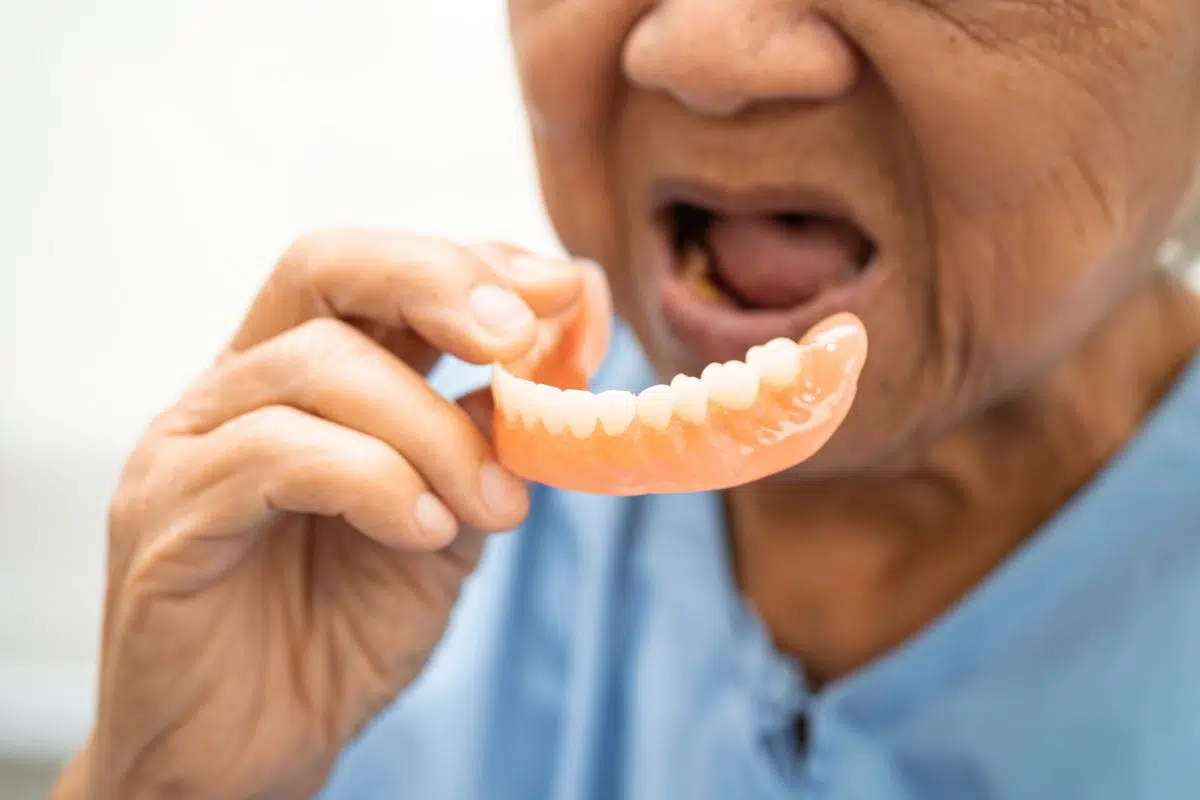
If your dentures constantly shift or feel uncomfortable, the first question that arises in your mind is what can I use instead of denture glue. Relying on sticky adhesives daily can be frustrating, especially when they do not offer long-lasting results or cause irritation. However, you do not have to settle for short-term fixes. There are safe, reliable alternatives that can keep your dentures secure without the hassle. This blog is your one-stop solution with the answers you have been looking for so long.
Why Look For Alternatives To Denture Adhesives?
Before exploring solutions, you must understand why so many people seek alternatives to traditional glues. Adhesives can sometimes cause irritation, have an unpleasant taste, or fail to provide long-lasting stability. Even small amounts of glue can feel uncomfortable for those with sensitive mouths. Finding reliable alternatives allows you to maintain better oral health with dentures and reduce irritation.
Safe And Reliable Alternatives To Denture Cream
Traditional denture adhesives may not work for everyone. Whether dealing with allergies, discomfort, or just seeking a reliable solution, denture adhesive alternatives can help you feel confident all day. Here are your top options to consider.
1. Implant-Supported Dentures: A More Permanent Fix
One of the most secure alternatives to adhesives is implant-retained dentures. These are held in place by dental implants surgically inserted into your jawbone. Once in place, the denture snaps onto these anchors and stays firmly positioned.
This option eliminates the need for glue. It provides better stability, improved chewing ability, and more comfort during conversations or eating. It is a long-term solution that many patients find life-changing.
Pros:
- Improved stability.
- Better bone health.
- No adhesive needed.
Cons:
- Requires a surgical procedure.
- It’s not ideal for everyone, depending on bone condition.
If you have been wondering what can I use instead of denture glue, implant-supported dentures could be the answer you have been searching for.
2. Denture Cushions and Liners for Added Comfort
Another non-adhesive option is using denture cushions or soft liners. These are thin layers placed inside the denture base to provide a better fit and reduce irritation. While they do not bond the denture to your gums, they help minimize movement and secure the fit.
Cushions and liners are beneficial for people with sensitive gums or those who are healing after a dental procedure. They offer a barrier between the denture and the tissue, which can relieve pressure points.
Benefits:
- Easy to use at home.
- Offers a cushioning effect.
- Reduces gum irritation.
This alternative is ideal if you need temporary relief or want to reduce your reliance on adhesives.
3. Thermal Denture Reliners For Custom Fit
Thermal reliners can be used for a better customized approach. When warmed, these materials mold to the shape of your gums, creating a snug fit. They are also beneficial if your dentures become loose due to bone changes.
This method does not involve glue but enhances the overall hold of your dentures by adjusting the fit. It is often used as a short-to-mid-term solution while waiting for a permanent fix, like new dentures or implants.
Advantages:
- Creates a tailored fit.
- Helps stabilize loose dentures.
- Easy to apply at home with care.
You will find this option helpful if you frequently ask, “What can I use instead of denture glue?” but are not ready for surgical procedures.
4. Natural Adhesion Techniques Using Saliva And Proper Fit
Sometimes the best alternative is ensuring your dentures fit properly in the first place. Well-made, properly fitted dentures often rely on natural suction to stay in place. Your oral anatomy and the amount of saliva can also influence how well your dentures will remain in position.
Dry mouth can reduce suction, making adhesives necessary. In such cases, addressing dry mouth issues with hydration, diet, or oral moisturizers may improve how your denture naturally holds in place. If you have recently lost or gained weight, or your jawbone has changed, you may need to have your dentures adjusted or remade.
Tips to Improve Natural Adhesion:
- Stay hydrated throughout the day.
- Schedule routine fittings and evaluations.
- Avoid overly sticky or dry foods that disrupt the seal.
5. Flexible Partial Dentures For Better Grip
If you wear partials, flexible dentures can be a comfortable and adhesive-free option. These are made of softer materials that adapt to your mouth more easily than traditional hard resin. They hook onto surrounding teeth and stay in place without glue. Many patients prefer them due to their lightweight and natural feel. They are also less likely to irritate soft tissues and can be more forgiving if your mouth changes slightly over time.
Key Highlights:
- No need for adhesive.
- Lightweight and comfortable.
- Better fit for irregular arches.
This is an excellent alternative if you are tired of using denture paste or cream daily and need a manageable solution.
When it comes to answering what I can use instead of denture glue, the possibilities are far from limited. From implant-supported dentures to flexible partials and soft liners, there are safer, more effective ways to keep your dentures secure without the mess. Each alternative comes with its own set of benefits, and the right one depends on your oral health, lifestyle, and long-term goals.
At Covaney & Covaney, we understand how important it is for you to feel confident in your smile with a dental appliance. Schedule an appointment with us to receive personalized guidance and explore the most effective denture solutions designed just for you. Our team is here to help you live more comfortably, but this time, without the glue.


